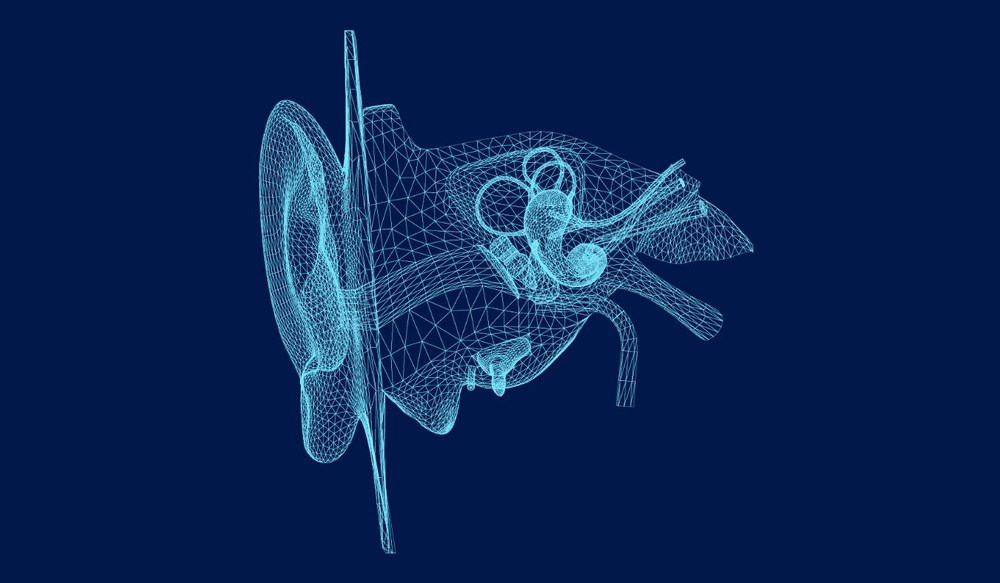
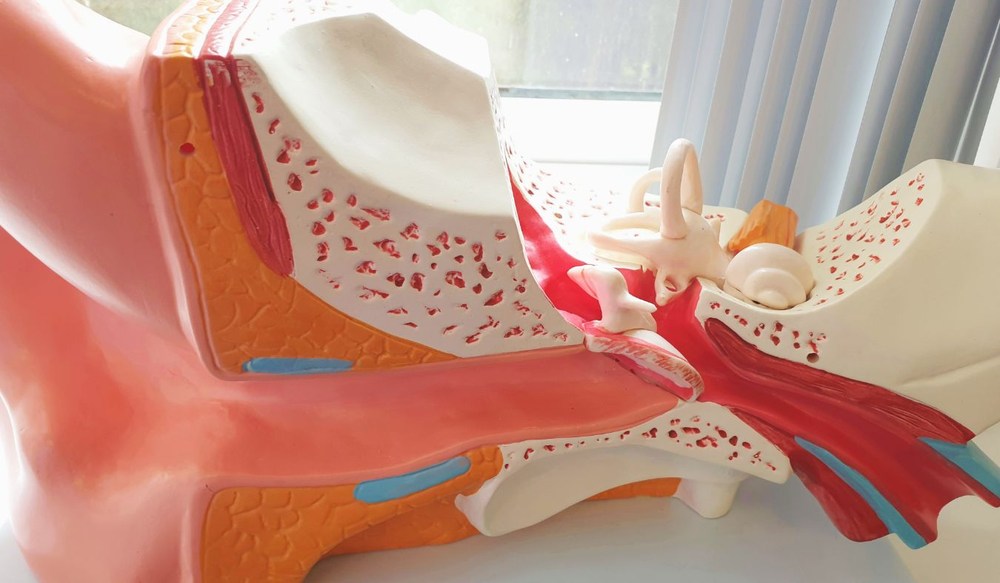
Many people do not realize that the ears are responsible for more than just hearing. The inner ear contains a system that also contributes to balance and stability. Hearing and balance are connected, and this relationship can influence how you move and respond to your environment throughout the day.

When this connection is disrupted, it can affect both hearing and stability, sometimes causing dizziness or unsteadiness. Certain hearing conditions may also have an impact on balance, which is why it can be helpful to consider both together. A hearing specialist can evaluate these issues and provide guidance on managing changes in hearing and balance effectively.

Understanding the Vestibular System and Its Role in Balance

The vestibular system is a group of small structures within the inner ear that helps your body know its position in space. It sends signals to your brain about movement and changes in head position. A healthy vestibular system allows you to stand, walk and move without feeling lightheaded or off-balance. When these structures are not working well, you may feel dizzy or unsteady. Since both hearing and balance rely on the inner ear, it is common for problems in this area to affect both systems. Some people also experience vertigo, a spinning sensation linked to vestibular issues.

How the Inner Ear Helps You Hear and Stay Balanced

The inner ear has a dual role that goes beyond processing sound. Inside the cochlea, small sensory cells pick up vibrations and translate them into signals the brain understands, making it possible to recognize voices, music and other sounds. Nearby, the vestibular system is constantly monitoring movement and head position, providing the brain with information needed to keep balance in check. Because these two systems are located together and often influence one another, problems in the inner ear can sometimes affect both hearing and stability.

Maintaining balance depends on the inner ear working alongside the eyes and muscles, with the vestibular system acting as the body’s internal guide. It detects motion and shifts in position, helping people stay upright and move with coordination. When this system is disrupted, issues like dizziness or difficulty keeping steady can occur, even if hearing seems unaffected. Recognizing how the inner ear supports both sound and balance, it becomes easier to understand why changes in one area may influence the other and when it might be time to seek professional help.

The Role of Hearing in Spatial Awareness

Hearing does more than just let you listen to sounds. It also helps your brain understand where you are in relation to your surroundings. Sounds from different directions help you judge distance and movement, which is called spatial awareness.

When you have hearing loss, it can be harder to notice sounds like footsteps or traffic approaching from behind or beside you. This can make it more difficult to move safely, especially in busy places or when crossing streets. Good hearing supports quick reactions and helps you stay steady during everyday activities.

The Connection Between Dizziness, Vertigo and Ear Health

Dizziness and vertigo can be disruptive and often happen without warning. The inner ear is responsible not only for hearing but also for maintaining balance, which means that problems in this area can affect both functions at once. Conditions like infections or fluid buildup may interfere with how the inner ear works, leading to a mix of hearing and balance difficulties.

Vertigo is a sensation of spinning that usually occurs when the balance system in the ear is not functioning as it should. When dizziness happens alongside changes in hearing, it can point to an underlying issue that requires attention. Seeking a hearing specialist can provide a clearer understanding of the cause and practical steps for managing both symptoms.

Signs That Hearing Loss May Affect Your Balance

You may notice certain signs if hearing loss is starting to impact your balance. Feeling dizzy when standing or walking, or having trouble staying steady, can be linked to changes in your inner ear. Some people also feel like the room is spinning, which is known as vertigo.

Other signs include needing to hold onto furniture while moving around or feeling more tired after walking short distances. If you notice these symptoms along with hearing loss, let a hearing specialist know as they can help you find ways to stay safe and steady.

Knowing When to Get Help for Changes in Hearing or Balance

If you notice new or worsening hearing loss, frequent dizziness or sudden trouble with balance, reach out for help. These changes may signal a problem in your inner ear that should be checked by a hearing instrument specialist.

Getting evaluated early can help prevent falls and make it easier to find answers for your symptoms. Some people also notice ringing in the ears or pressure along with balance problems. Be sure to mention all your symptoms during your visit so your specialist can help you manage both hearing and balance safely.

Daily Habits That Can Support Healthy Hearing and Steady Balance

Simple daily habits play an important role in keeping your hearing and balance strong. Protecting your ears from loud noises, staying active and eating a balanced diet all support these systems. Getting enough sleep and managing stress also help you hear better and feel steadier. Making small healthy choices each day adds up over time and helps keep both your ears and balance working well.

The Importance of Regular Visits with a Hearing Specialist

Regular checkups with a hearing specialist help you keep track of your hearing and balance health. These visits allow them to catch any changes early, so small issues do not turn into bigger problems. Staying on top of your care gives you more confidence as you go about your daily life.

During your visit, a hearing specialist can test your hearing, check how well your balance system is working and answer any questions about new symptoms. If you wear hearing aids or other devices, they will make sure they are working properly. Make an appointment if you notice changes in your hearing or balance, or if it has been a while since your last checkup. This step helps protect both your safety and quality of life.

Staying Aware of the Link Between Hearing and Balance

Recognizing the link between hearing and balance can help you spot important changes in your health. Since both systems are connected within the inner ear, problems with one may affect the other. By paying attention to symptoms like dizziness, unsteadiness or changes in hearing, you can find solutions sooner.

If you notice any of these signs, schedule an appointment with a hearing instrument specialist. Regular checkups make it easier to address concerns early and keep both your hearing and balance working their best. Taking steps to care for these systems supports your safety and helps you stay active each day.