If you spend time around loud noise at work, at events or through headphones, it can be hard to know what is actually safe for your ears. You might notice that sounds seem muffled after a loud concert or that you need to turn the TV up more than you used to.

Loud sounds do not usually cause sudden hearing loss all at once. It often creates amounts of damage over many days, months or years. This slow change can make it difficult to connect your daily noise exposure with the way you hear.

Noticing how loud noise affects the delicate parts of your ears over time, you can make choices that help protect your hearing and keep conversations and everyday sounds clear for as long as possible.

What Changes Inside Your Ear When Sounds Are Too Loud

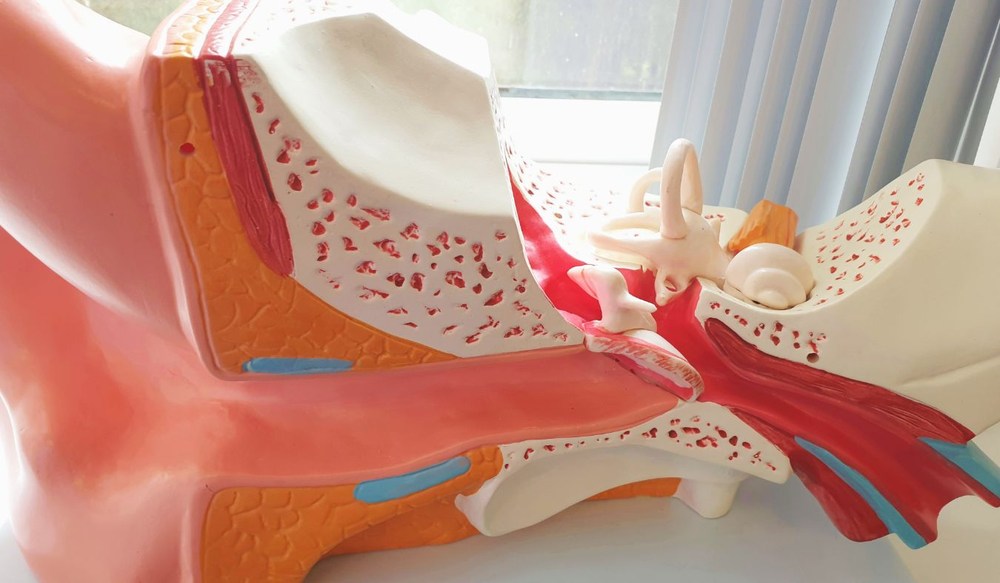
When sound levels rise too high, the structures inside your ear respond by working harder to handle the extra energy coming in. The tiny hair cells in the inner ear help translate sound vibrations into signals the brain can understand, can become overstimulated when exposed to loud noise.

In those moments, they may not respond as efficiently, which can affect how clearly sound is processed right away. You might notice this as a temporary dullness in hearing or a sense that sounds are not as distinct as they were before the exposure.

Short-Term Hearing Changes After Loud Noise and What They Mean

After exposure to loud noise, hearing can feel slightly off for a short period of time in ways that are easy to notice in different situations. Speech may not come through as clearly, or certain sounds may seem less defined than usual, which can make conversations feel like they take more effort to follow.

Some people also notice a temporary ringing or a sense of pressure in the ears that sits in the background while things slowly return to normal. These changes happen gradually rather than all at once, and the experience can vary depending on the situation and how intense the noise was.

How Ongoing Loud Noise Can Lead to Lasting Hearing Loss

Being around loud noise regularly can place stress on the inner ear’s delicate structures, especially the tiny hair cells that help the ear process sound. Sources like heavy traffic, industrial equipment, live events or power tools can create levels of sound that the ear is not designed to handle for long periods.

When that stress is repeated, the hair cells can become damaged and do not grow back, which is what makes the effects lasting rather than temporary. This type of change is not tied to a single moment but to repeated exposure that the ear cannot compensate for.

Daily Noises That May Be Louder Than You Realize

Many sounds can reach higher levels than people expect, especially when they are close to the source or heard for extended periods. Some common examples include:

  • Heavy traffic on busy roads or highways.
  • Power tools like drills, saws or leaf blowers.
  • Loud music through headphones or at live events.
  • Household appliances like vacuum cleaners or blenders.
  • Sports arenas or crowded public venues.

Easy Ways to Check and Track Your Noise Levels

Keeping track of noise levels can be simpler than it may seem. Many people use smartphone apps or built-in tools that give a general reading of how loud a space is at a given moment.

It can also help to notice when certain places feel especially loud, like restaurants, traffic areas or while using tools at home. Some people pay attention to patterns across their day, since certain settings tend to repeat.

This awareness can make it easier to understand where noise is coming from and how often it appears in your routine.

When to See a Hearing Specialist for a Hearing Checkup

Knowing when to schedule a hearing checkup can be just as important as wearing earplugs or turning the volume down. A hearing specialist can test how well you hear now, compare it to what is typical for your age and help you catch small changes before they turn into bigger problems.

Use this simple checklist as a guide:

  • You notice ringing in your ears that comes back often or lasts more than a day.
  • Voices sound muffled or you feel like people are mumbling.
  • You turn the TV or music up higher than friends or family prefer.
  • You struggle to follow conversations in restaurants, at parties or in meetings.
  • You work around loud tools, machines, music or crowds on a regular basis.
  • Family members say you miss parts of what they say or answer questions differently than expected.

Protecting Your Hearing from Loud Noise

Loud noise often becomes part of your life so slowly that changes in hearing can be easy to brush aside. Still, your ears are working hard every day, and even small signs like muffled sound or ringing can suggest hearing loss.

If you are exposed to loud noises or have noticed changes in your hearing, a hearing checkup with a hearing specialist can show how loud noise may be affecting your ears over time.