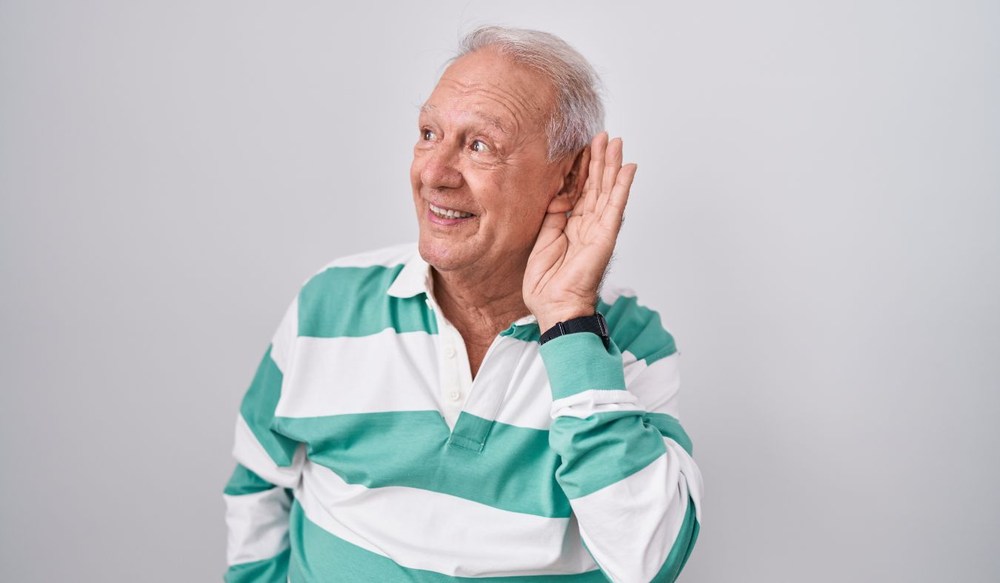
As people get older, changes in hearing are common and often happen gradually. You may notice that conversations are harder to follow in noisy settings or that the television volume needs to be higher than it once was.

These changes are a normal part of aging, but they can still affect daily life, including social interactions and communication with family and friends. Paying attention to hearing health and taking simple preventive steps can help support better hearing over time.

What is Age-Related Hearing Loss?

Age-related hearing loss is a common change that happens as people get older. It usually develops slowly, which makes it easy to miss at first.

Sounds may not seem as clear as they once did, and it can become harder to hear higher-pitched noises or follow conversations, especially when there is background noise. These changes are not sudden and often feel like small adjustments rather than a big shift.

This type of hearing loss can affect everyday activities in subtle ways. You may find yourself asking others to repeat themselves or feeling more tired after long conversations.

Group settings or busy places can feel more challenging than before. Understanding what age-related hearing loss is helps explain why these changes happen and why paying attention to hearing health can make daily life feel easier over time.

Common Reasons Older Adults Experience Hearing Loss

Hearing loss in older adults often develops for more than one reason, and these factors can build up over time rather than appearing all at once. While aging itself plays a role, everyday habits, health conditions and past experiences can also affect how well someone hears later in life.

Some of the most common reasons include:

  • Long-term exposure to loud sounds from work, hobbies or entertainment.
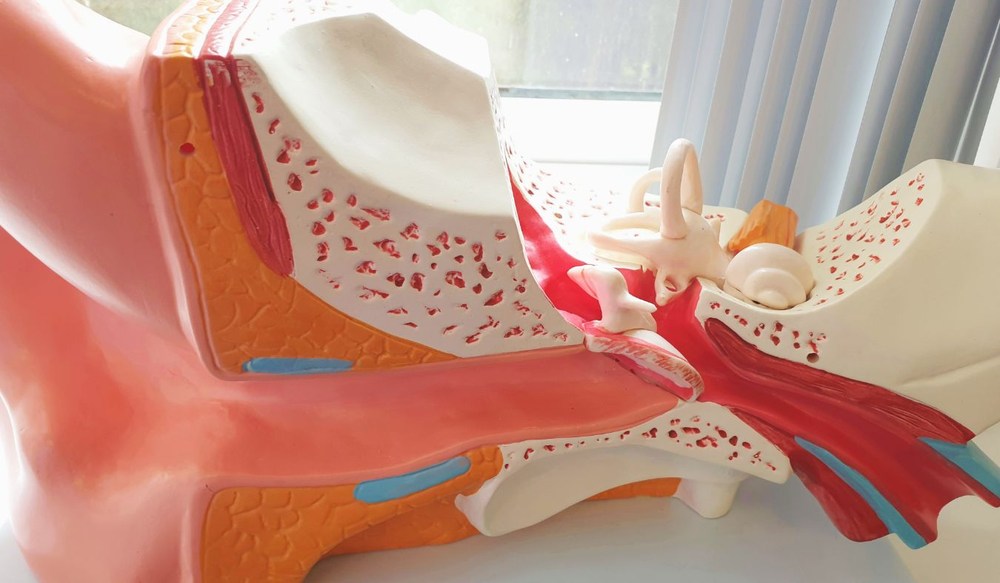
  • Natural changes in the inner ear that happen with age.
  • Ongoing health issues such as high blood pressure or diabetes.
  • Certain medications that can affect hearing over time.
  • A history of ear infections or untreated ear problems.

How Genetics Can Affect Age-Related Hearing Loss

Genetics can play a role in how age-related hearing loss develops over time, even among people with similar lifestyles. Some individuals are born with genes that make the delicate cells in the inner ear more sensitive to aging, which can cause hearing changes to appear earlier or progress faster.

Others may inherit traits that affect how the ear handles everyday stress, like long-term noise exposure or natural wear on the auditory system. Family history often offers clues, since patterns of hearing changes tend to repeat across generations.

Recognizing this link helps you understand why age-related hearing loss can look different for each person and why you may benefit from a more personalized approach to hearing care.

How Nutrition and Physical Activity Support Healthy Hearing

Good nutrition helps fuel the inner ear, which relies on steady blood flow and essential nutrients to function well. When you choose balanced meals with fruits, vegetables, lean proteins and whole grains, you give your ears the support they need to handle everyday sounds over time.

Certain nutrients, like those that support circulation and nerve health, may help protect the tiny structures involved in hearing. While food alone cannot prevent age-related hearing loss, it can be one part of an effort to care for your hearing long term.

Physical activity also supports hearing health by keeping the body’s systems working efficiently. When you stay active, you improve circulation, which helps deliver oxygen and nutrients to the ears.

Regular movement can also support heart health, balance and overall energy levels, all of which are connected to how well you hear and respond to sound. You do not need intense workouts to see benefits, consistent activities like walking, stretching or light strength training can make a difference.

Combining healthy eating with regular physical activity, you can help to protect your ears and overall well-being.

Why Staying Socially Active is Important

Staying socially active supports your hearing health as you get older. Regular conversations and group activities encourage you to use and practice listening skills, which helps keep your brain engaged with sounds and speech.

Spending long periods alone or avoiding social activities can make it harder to notice small changes in your hearing or keep up with communication skills. Joining community groups, attending events or simply talking with friends and family supports both your social life and your ability to hear well.

Everyday Habits That Help Protect Your Ears

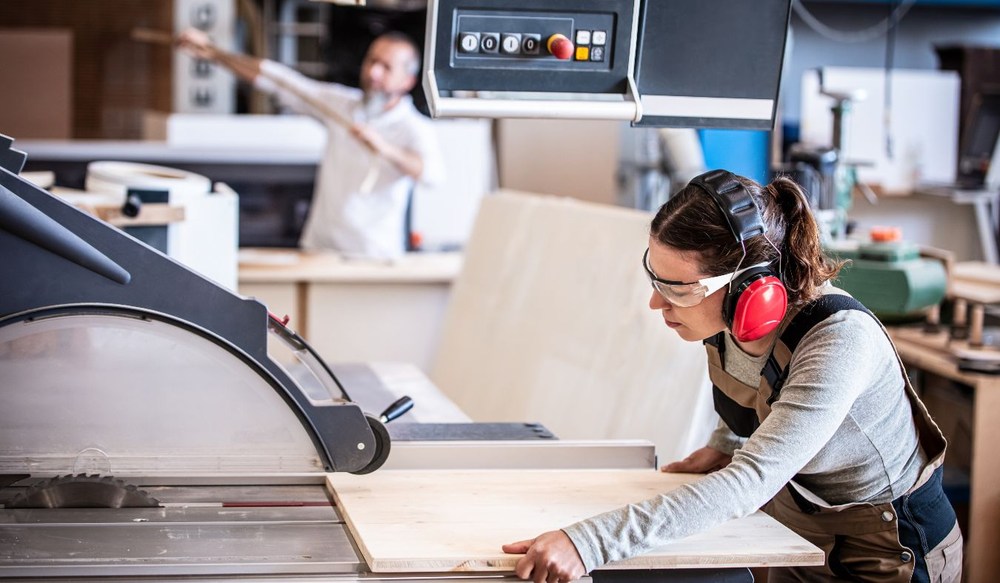
Simple daily habits can make a big difference in keeping your hearing healthy as you age. Lowering the volume on headphones, wearing ear protection in noisy places and taking breaks from loud environments all help keep your ears safe.

When cleaning your ears, avoid using cotton swabs or objects inside the ear canal. These can push wax deeper or cause injury. Instead, gently clean around the outside of your ear and let any wax work its way out naturally.

Managing health conditions like diabetes or high blood pressure also supports healthy hearing. Staying active, eating well and visiting a hearing specialist for regular checkups are all helpful for long-term ear health.

Why Regular Hearing Checks Matter as You Get Older

As you get older, regular hearing checks become more important because hearing can change slowly and you might not notice it right away. A hearing test can catch small changes early, so you can take steps before things get harder.

It also helps you understand what’s happening, like whether hearing loss is affecting one ear more than the other or if background noise is becoming an issue. Plus, getting checked regularly gives you a chance to talk with a hearing specialist about options that fit your lifestyle, like hearing aids or other tools.

Taking Steps for Better Hearing

Paying attention to noise levels, eating healthy foods, staying active and managing health conditions all contribute to better hearing over time. Even small changes in your routine can make a noticeable difference.

If you have concerns about your hearing or want more information about keeping your ears healthy, schedule an appointment with a hearing specialist. Regular checkups help identify problems early and provide support to maintain clear communication and quality of life as you age.