Athletes spend significant time focusing on training, safety and overall physical health, yet hearing is often not given the same attention. Competitive sports frequently involve high-volume environments, including loud arenas, whistles and other sudden sounds that can affect hearing over time. These changes usually develop slowly, which can make them easy to overlook until they become more noticeable.

Hearing is an important part of athletic performance because it supports communication with coaches and teammates, helps you respond to signals during competition and contributes to overall awareness during practices and games. Taking simple steps to protect your hearing can help reduce potential issues later on, both in sports and in daily life. A hearing instrument specialist can offer guidance on effective protection strategies that fit your training and competition needs. Including hearing care in your regular athletic routine supports long-term health and helps you stay fully engaged in your sport.

How Loud Sounds Can Damage Your Hearing

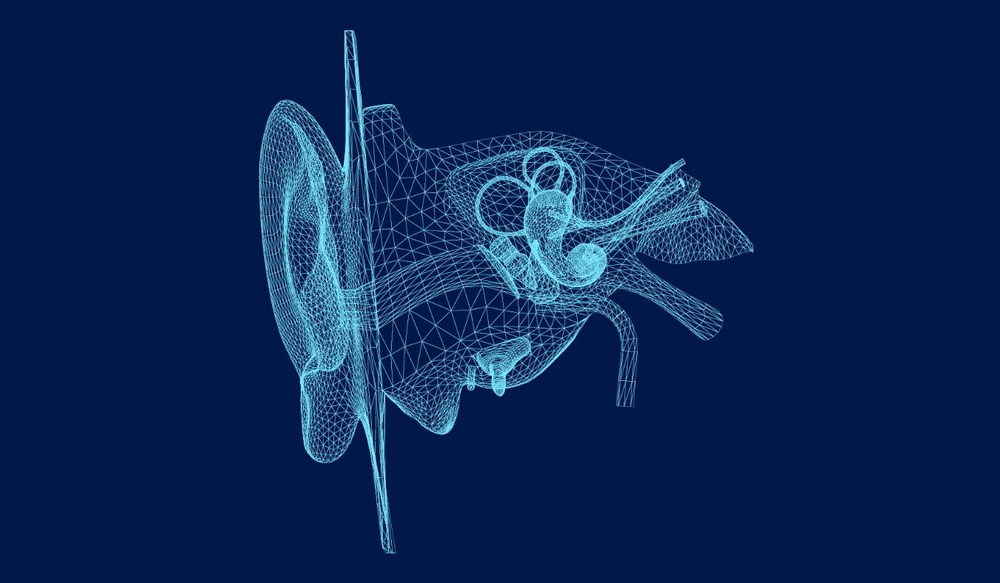
Loud sounds can harm your hearing when they reach levels that the inner ear is not built to handle for long periods of time. Inside the ear are tiny hair cells that help send sound information to the brain, and these cells can become strained or damaged when exposed to strong or repeated noise. This damage often happens gradually, so you may not notice changes right away. Over time, you might find it harder to understand speech, especially in noisy places or you may experience ringing in the ears. Understanding how loud sounds affect the ear can help you make choices that protect your hearing in both everyday situations and high-volume environments.

Common Sports That Pose Hearing Risks

Many popular sports environments are filled with loud sounds that can affect your hearing over time. Football, basketball and hockey often involve whistles, crowd noise and music played at high volumes. Water sports like swimming and water polo can also present risks. Water can trap bacteria in the ear or lead to infections if not managed properly.

It is natural to feel concerned about these risks while staying active. Taking steps to protect your ears during these activities helps reduce the chance of hearing changes later on. A hearing specialist recommends using ear protection when needed and paying attention to any discomfort or ringing in your ears after games or practice.

Travel and Hearing Risks for Athletes

Travel is a regular part of life for many athletes and can bring extra risks for your hearing. Long bus rides or flights expose you to engine noise for hours. Listening to music through headphones at high volume during travel adds more risk. Using noise-canceling headphones at a safe volume or taking breaks from listening devices can help protect your ears while on the road. Staying aware of these travel-related risks helps keep your hearing safe wherever your sport takes you.

How Hearing Loss Can Change Athletic Performance

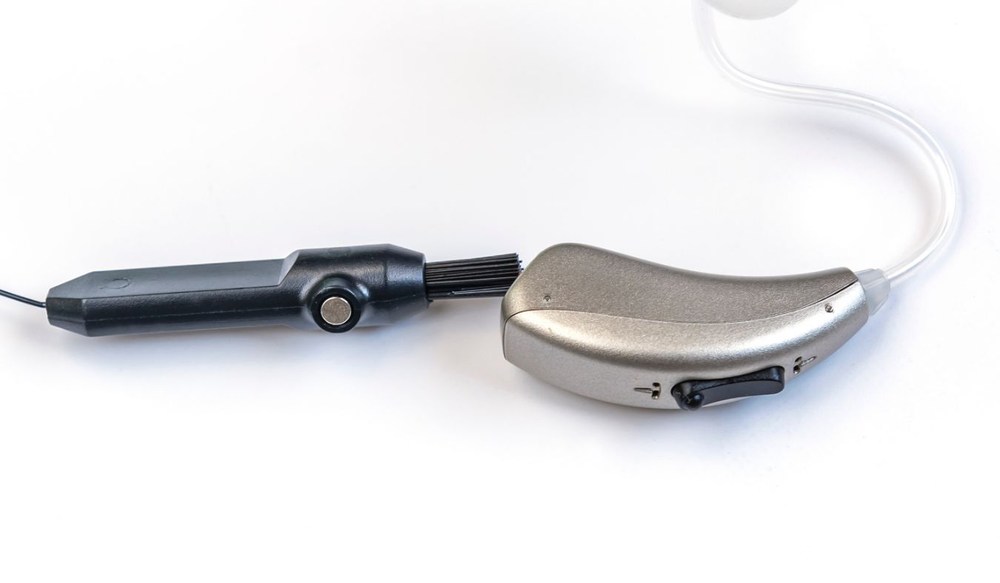
Hearing loss can make it harder to hear coaches, teammates or referees during games and practices. This may lead to missed instructions or confusion on the field and can affect how well you play. Some athletes feel left out of team communication, especially in fast-paced sports where quick decisions are needed. Using hearing aids or special ear protection designed for athletes can help you stay connected and respond quickly during games.

Noticing Early Warning Signs of Hearing Changes

Paying attention to early warning signs of hearing changes is important for protecting your long-term hearing health. You might notice yourself asking others to repeat themselves or turning up the volume on the TV more often. Sounds may seem muffled, or it may be harder to understand speech in noisy places. Ignoring these changes can lead to more serious hearing problems that affect your ability to play sports and communicate with others. If you notice any of these changes, talk with a hearing specialist about what steps you can take next. Acting quickly can help prevent further damage.

Choosing the Right Ear Protection for Athletes

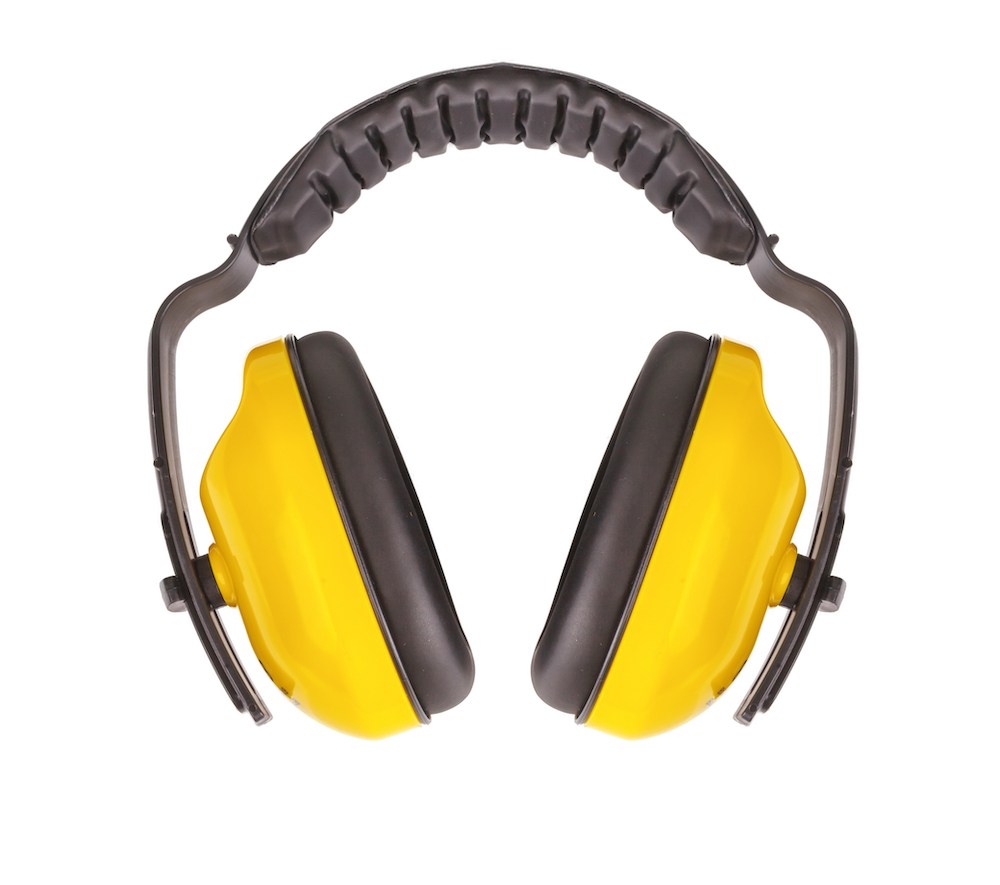
The right ear protection depends on your sport and the level of noise or water exposure you face. Some athletes use foam earplugs, custom-molded plugs or specialized swimmer’s earplugs during practice and games. Comfort and fit matter, so make sure any ear protection stays in place while you move. For those who need to hear coaches or teammates clearly, there are options designed to reduce harmful noise but still let you hear important sounds.

Building Safe Listening Habits During Practice and Games

Developing safe listening habits during practice and games brings real benefits. You can protect your hearing for the long term and keep team communication strong. It may take extra effort to remember ear protection or adjust to new routines, but sticking to good habits like wearing earplugs when needed or taking breaks from loud environments makes a difference. Setting reminders or asking teammates to help keep each other on track can help lower your risk of hearing changes over time.

Ways to Communicate Clearly in Loud Sports Settings

Communicating during a loud game or practice can be difficult when whistles, music and cheering make it hard to hear. Missing a play or not understanding instructions can be frustrating. Try using hand signals or simple gestures with teammates to get messages across quickly. Standing closer to the person speaking and facing them also helps you catch important information. These small changes make it easier for everyone to stay connected and focused, even in noisy sports settings.

Knowing When to Get Advice from a Hearing Specialist

If you notice changes in your hearing like ringing in your ears, muffled sounds or trouble understanding speech during games or practice, it may be time to get advice from a hearing specialist. Many people feel uncertain about what these changes mean for their health and daily life. Reaching out early helps keep your hearing strong and supports your active lifestyle.

A hearing specialist can check your ears and help you understand if there is any damage or infection that needs attention. They can also discuss safe ways to protect your ears during sports and answer any questions you might have.

Staying Active While Protecting Your Hearing

Protecting your hearing is an important part of staying healthy and active in sports. Using ear protection, building safe listening habits and paying attention to early warning signs help you stay connected with your team and enjoy the game for years ahead.

If you have noticed changes in your hearing or want more information about keeping your ears safe during sports, schedule an appointment with a hearing instrument specialist. They offer guidance on hearing health in athletic settings so you can continue performing at your best while protecting your ears. Staying informed supports both your performance and long-term well-being.