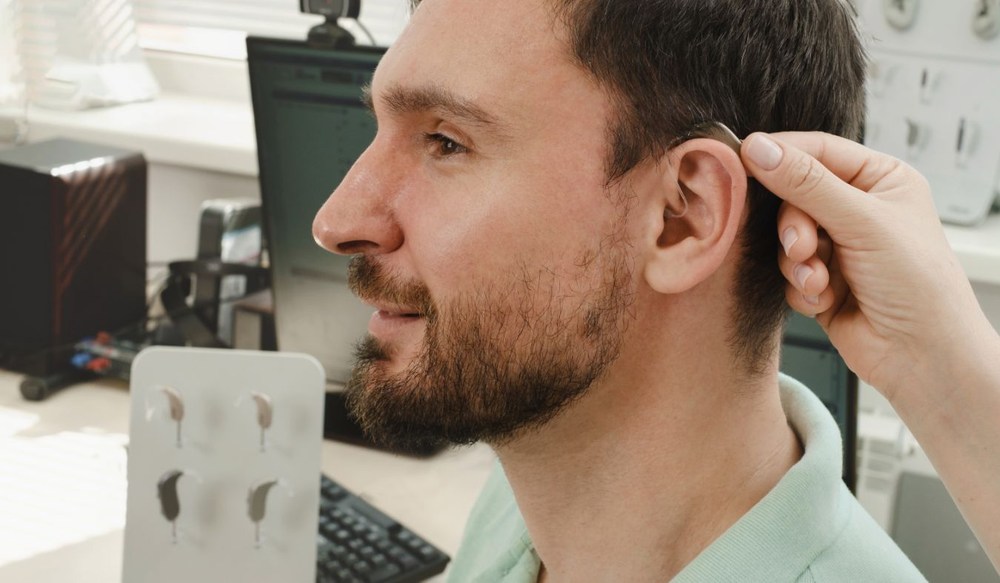
Your hearing aids work throughout the day, picking up everything from quiet conversations to background noise and what you do with them at night affects how they perform the next morning.

Wax, moisture and debris are common reasons for changes in sound quality or brief interruptions, and many of those issues can be reduced with a short cleaning routine before bed. A few minutes of simple maintenance each day helps keep the devices working as expected and can reduce the need for visits that are only needed to address preventable buildup or blockages.

What Are the Different Parts of a Hearing Aid

A hearing aid is made up of a few small but important components that all work together in real time. The microphone picks up sound from the environment, whether that’s someone speaking across a table or background noise in a busy room.

That sound is then processed by a internal computer, which adjusts it based on the person’s hearing needs before sending it to the receiver, which delivers the sound into the ear.

The battery or rechargeable system keeps everything running, while the casing holds it all together and protects the electronics from exposure like moisture, movement and general wear.

Safe Cleaning Tools and Products for Your Hearing Aids

Using the right tools makes cleaning your hearing aids safer and easier. The goal is to keep them clear of wax and moisture without scratching, bending or clogging any tiny parts.

Safe options usually include:

  • A soft dry cloth
  • A small cleaning brush with gentle bristles
  • A wax loop or pick made for hearing aids
  • Cleaning wipes that are labeled as safe for hearing devices

When you stick with tools and products recommended by a hearing specialist, you lower the risk of damage and help your hearing aids last longer between repairs.

How to Remove Earwax from Openings and Sound Ports

Earwax around sound ports is usually best handled with a few simple methods that don’t involve digging into the opening or trying to force anything loose. A small wax pick can be used to gently lift buildup from the edge, but only at the surface level where it’s visible.

A compressed air bulb is another option, since a short squeeze can push out loose particles without touching the opening at all. Some devices also use removable wax guards, which can be swapped out when sound starts to feel blocked, saving you from having to clean the port directly.

Caring for Hearing Aid Domes Tubes and Earmolds

Domes, tubes and earmolds sit closest to your ear, so they collect the most wax and moisture and need regular care. Wipe them each day with a soft dry cloth and check for cracks or discoloration.

Ask a hearing specialist before using any soap or water so you do not damage the materials or affect how they fit. Tubes can sometimes bend or clog with moisture or wax and earmolds can lose their snug fit. This may cause whistling or changes in sound.

Safe Storage at Home and When You Travel

Where you keep your hearing aids when they are not in your ears affects how long they last. At home, store them in a hard case or drying box in a cool, dry place.

Keep them away from sinks, windows, heaters and pets or small children who might knock them down or chew on them. Avoid leaving them in the bathroom where steam builds up, or on a car dashboard where heat can damage small parts.

When you travel, pack your hearing aids in a sturdy case in your carry-on bag. This lowers the chance of loss or damage. Bring extra batteries or your charger, along with cleaning tools. A small drying container can also help if you will be in humid places.

Warning Signs Your Hearing Aids Need Extra Care or Repair

Even with good daily care, hearing aids sometimes start to show signs that they need extra attention. Some signs can include:

Weaker sound

  • Sudden changes in volume
  • Whistling that was not there before
  • Sound that cuts in and out
  • Buttons that do not respond
  • Batteries or charging that do not last as long as they used to
  • Devices that feel loose, painful or sit differently in your ears

When to See a Hearing Instrument Specialist for Cleaning and Checkups

When hearing aids start acting a little off, like sound fading in and out or speech suddenly feeling harder to follow, it’s a good time to schedule a visit with a hearing specialist. These visits aren’t just for fixing obvious problems.

They also help make sure the devices are still working the way they should after regular use, especially if they’ve been exposed to heat, sweat or changing environments. Even small changes in how they perform can make listening feel more tiring, and a quick check can help sort out whether something needs attention or a simple adjustment.

Keeping Your Hearing Aids Clean for Clear Sound

Simple cleaning and care help your hearing aids stay clear and ready to support you each day. When you wipe them down, check for wax and protect them from moisture, you are taking steps that support your hearing health.

If it has been a while since your last checkup or you have questions about caring for your hearing aids, consider scheduling a visit with a hearing specialist. With steady home care and regular support from a hearing instrument specialist, your hearing aids are more likely to give you the clear sound you rely on.