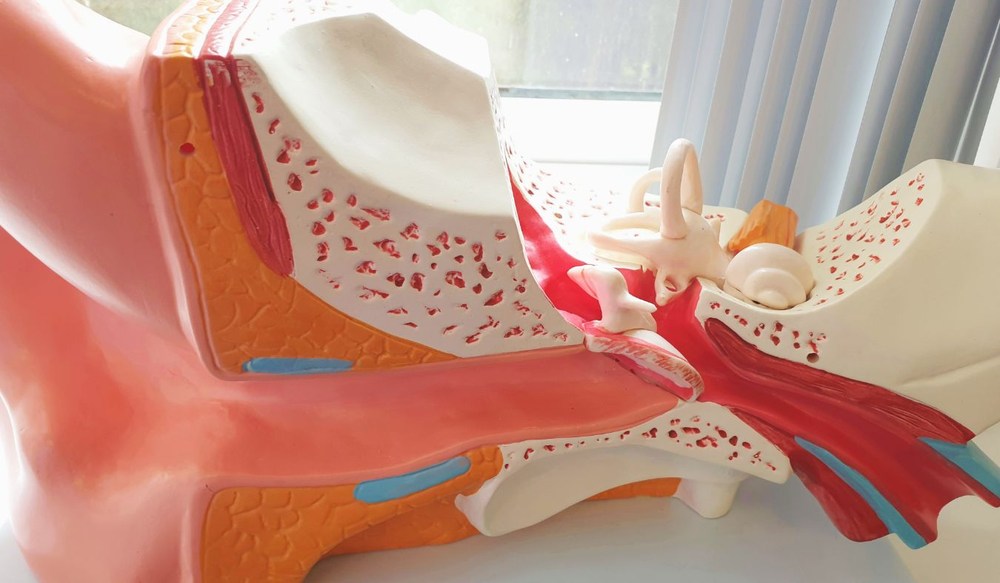
Most people do not think much about earwax unless it causes discomfort, yet it can offer useful clues about overall ear health. Earwax acts as a natural protective barrier by trapping dust and keeping the ear canal from becoming too dry. Changes in its color, texture or amount can sometimes point to conditions that may need attention. Although it is often viewed as a minor annoyance, earwax plays an important role in maintaining healthy ears and supporting proper hearing.

For hearing specialists, examining earwax is a routine part of assessing ear health. Its appearance can provide information about possible blockages, irritation or other concerns that could influence hearing. Being aware of what is typical for your ears and noticing when something seems different can help you stay involved in your hearing care. This awareness supports clearer communication with your hearing specialist and helps ensure that any issues are addressed in a timely and appropriate way.

The Role of Earwax in Keeping Ears Healthy

Earwax, also known as cerumen, is made by small glands in your ear canal. Its main job is to trap dust, dirt and other tiny particles so they do not reach deeper into your ear. Earwax also helps protect against bacteria and infection, while keeping the skin inside your ear from becoming too dry. Your ears have a natural way of moving old earwax out of the canal on their own. Most people do not need to remove earwax unless it builds up and causes discomfort or affects hearing.

How Earwax Develops and Why Each Person Has Unique Earwax

Earwax forms when glands in your ear canal mix their natural oils with dead skin cells. The amount and type of earwax you have can depend on your age, diet and family history. Some people have wet, sticky earwax, while others have dry, flaky earwax. Both are normal. Your genetics play a role in what your earwax is like, making everyone’s earwax a bit different. Health and environmental factors can also cause changes over time.

The Link Between Earwax and Ear Infections

Earwax can play a role in preventing ear infections, but it can also be connected to them in certain situations. Normally, earwax helps trap dirt and bacteria, keeping the ear canal clean and reducing the risk of infection. However, when earwax builds up excessively or becomes impacted, it can create a barrier that traps moisture and bacteria, which may increase the likelihood of an infection. Paying attention to changes in earwax, like unusual odor, color or discomfort, can help you recognize when professional evaluation is needed. Understanding this connection allows you to maintain ear hygiene safely while supporting overall hearing health.

Signs of Healthy Earwax and What to Notice in Its Appearance

Healthy earwax can range from light yellow to dark brown. It may be soft, sticky or a bit flaky. You should only have a small amount, and it should not cause pain, itching or block your hearing. Look for these signs of healthy earwax:

  • A mild odor or no smell.
  • No discomfort or itching.
  • Consistent texture and color over time.

How Earwax Color Can Change With Age

Earwax can change in color and consistency as you get older, reflecting natural changes in the ear rather than a problem. In younger people, earwax is often lighter and softer, while in adults it may become darker and firmer over time. These changes happen gradually and are usually a normal part of the aging process. Factors like ear canal shape, skin oil production and overall ear hygiene can also influence how earwax looks. Paying attention to what is typical for your ears can help you notice any unusual changes that might require a hearing specialists’ evaluation.

When Texture or Amount of Earwax Points to Possible Issues

Changes in the texture or amount of earwax can signal that something is not right. If your earwax suddenly becomes very hard, dry or crumbly or if you notice a large increase in the amount you have, this may mean your ears are having trouble cleaning themselves. Soft and sticky earwax is usually normal. If it turns runny or watery without reason, this could point to infection or another problem. A sudden decrease in earwax can also leave your ears less protected from germs and dirt.

Think of healthy earwax as a balance, too much or too little can cause problems. Noticing these changes helps you know when to talk with a hearing specialist for advice.

Safe at Home Tips for Managing and Cleaning Your Ears

Caring for your ears at home starts with safe habits. Avoid putting cotton swabs, hairpins or other small objects into your ear canal. These can push wax deeper or cause injury. Instead, let warm water run over your outer ear during a shower and gently wipe the outside with a soft cloth.

Most people do best by letting their ears clean themselves. If you feel you have too much earwax, over-the-counter drops made for ears can help soften the wax so it moves out naturally. These simple steps lower the risk of irritation and help prevent blockages. Safe cleaning habits protect your ears and make it easier to notice changes in your earwax.

Knowing When to Visit a Hearing Specialist About Your Earwax

If you notice pain, itching or blocked hearing because of earwax, it may be time to visit a hearing specialist. Sudden changes in color, texture or amount are also reasons to get professional advice. A hearing specialist can safely check your ears and remove any buildup without risking damage to the ear canal. Getting help lowers the chance of pushing wax deeper or hurting your ear with at-home tools.

Some benefits of seeing a hearing specialist include safe removal of wax and expert advice about your ear health. While it may take extra time waiting too long can lead to bigger problems like infection or lasting hearing loss.

What Earwax Can Teach You About Caring for Your Ears

Earwax does more than most people realize. Paying attention to changes in its color, texture or amount can help you spot early signs of problems with your ears. This awareness supports better hearing health and helps you know when to reach out for help.

If you have questions about your earwax or notice sudden changes, schedule an appointment with a hearing specialist. Taking small steps now helps keep your ears healthy and your hearing clear for years to come.